A home renovation can completely transform the way a living space looks, feels, and functions. From beautiful hardwood floors and modern kitchen tiles to comfortable upholstered furniture and carefully selected decorative pieces, every improvement contributes to creating a home that reflects your lifestyle.
However, once the contractors leave and the renovation is complete, there is another important step that homeowners should not overlook: protecting and maintaining their newly improved interiors.
Construction dust, leftover particles, furniture movement, and improper cleaning methods can affect the appearance and condition of both new and existing furnishings.
For homeowners in St. Petersburg, Pinellas Park, and surrounding Florida communities, establishing the right cleaning and maintenance routine can help preserve the beauty of a renovated home for years to come.
Why Cleaning After a Home Renovation Is So Important
Even a carefully managed renovation can leave behind fine dust and dirt. Activities such as sanding, drilling, painting, and installing new materials can introduce particles that settle throughout the home.
These particles may accumulate in places that are not immediately noticeable, including:
- Carpet fibers and area rugs
- Upholstered sofas and chairs
- Hardwood flooring seams
- Tile and grout lines
- Furniture crevices
- Window treatments
- Baseboards and corners
- Shelving and decorative surfaces
Although the renovated space may look beautiful at first glance, residual dust and dirt can gradually affect its appearance.
Regular cleaning is important, but some surfaces may require more detailed attention following a renovation.
Once contractors have completed their cleanup responsibilities, homeowners can explore professional house cleaning services in St. Petersburg, FL to help establish a cleaner, more manageable living environment.
1. Understand the Cleaning Requirements of Your Flooring
Different flooring materials require different maintenance methods. Using the wrong cleaning products or equipment can damage finishes, leave residue, or affect the appearance of newly installed surfaces.
Whether you have selected hardwood, carpet, tile, or another material from the many available home flooring ideas, understanding its care requirements should be a priority after renovation.
Hardwood Flooring
Hardwood flooring brings natural warmth and timeless character to a home. However, fine grit and construction particles can scratch its surface when walked on or moved beneath furniture.
To protect hardwood floors:
- Use a soft microfiber dust mop for routine cleaning.
- Avoid dragging furniture across the surface.
- Install suitable protective pads beneath furniture legs.
- Use cleaning products approved for the specific floor finish.
- Avoid excessive water and prolonged moisture exposure.
- Follow the manufacturer’s recommendations for newly finished floors.
If hardwood flooring has recently been refinished, confirm the recommended curing time before placing rugs or heavy furniture on the surface.
Tile and Grout Flooring
Tile is a popular flooring choice in Florida homes because of its durability, versatility, and suitability for kitchens, bathrooms, and living areas.
However, grout lines can collect fine particles and dirt that ordinary mopping may not fully remove.
Homeowners should use cleaning products suitable for their tile material and avoid harsh chemicals that could damage grout, sealants, or natural stone surfaces.
Newly installed grout should also be allowed to cure according to the manufacturer’s instructions before intensive cleaning.
Carpeted Flooring
Carpeting adds softness, warmth, and comfort to bedrooms and living spaces. Unfortunately, carpet fibers can also collect fine dust and particles introduced during remodeling.
Routine vacuuming helps remove everyday surface dirt, but carpets that have been exposed to renovation activity may benefit from professional assessment and cleaning after construction-related hazards have been addressed.
Homeowners looking for professional carpet cleaning in St. Petersburg, FL can discuss appropriate cleaning methods based on carpet material, condition, and the extent of ordinary soil accumulation.
2. Give Your Carpets and Area Rugs Extra Attention
Area rugs often serve as the finishing touch in a newly renovated room. They bring together furniture arrangements, introduce color and texture, and help define individual living spaces.
However, placing a rug over a floor that has not been properly cleaned can trap dirt underneath it.
Similarly, returning existing rugs to a renovated room without cleaning them first can reintroduce dust into the space.
Before arranging your rugs and furniture:
- Confirm that newly installed flooring is ready for rugs.
- Clean the floor beneath each rug.
- Inspect existing rugs for dust, stains, and wear.
- Use rug pads compatible with your flooring.
- Vacuum rugs according to their material and care instructions.
- Arrange professional cleaning when appropriate.
For additional information about maintaining carpets, explore our article on St. Petersburg carpet cleaning and why Dirt Busters is a trusted choice for cleaner, fresher carpets.
Maintaining your carpets and rugs can help preserve the overall appearance of your interior design.
3. Protect Upholstered Furniture From Lingering Dust
A beautifully renovated living room deserves furniture that looks just as inviting as its surroundings.
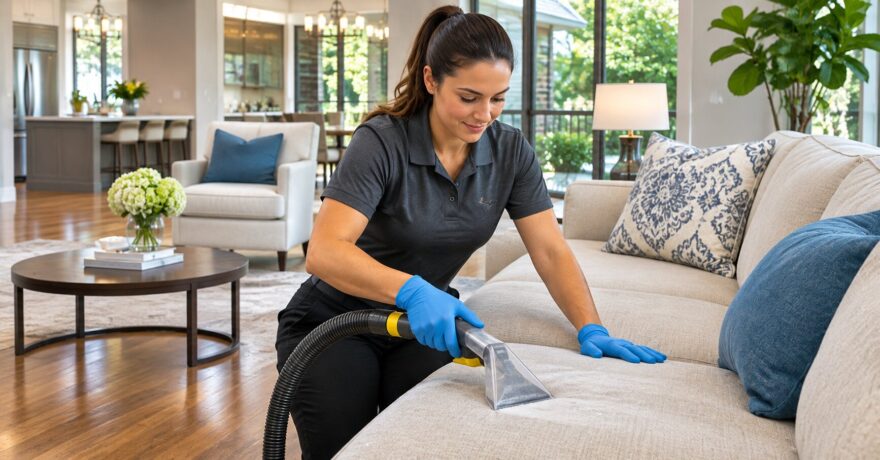
Whether you have purchased a new sectional sofa or decided to keep a favorite armchair, upholstered furniture requires special attention following a renovation.
Fabric surfaces can collect fine particles, particularly when furniture remains inside the home during construction.
Dust may settle between cushions, along seams, beneath seating, and within textured fabrics.
How to Care for Upholstered Furniture
Begin by checking the manufacturer’s cleaning instructions and upholstery care label.
Depending on the material, appropriate maintenance may include:
- Vacuuming with a suitable upholstery attachment.
- Removing and cleaning cushions according to their care instructions.
- Inspecting seams and crevices for accumulated dirt.
- Blotting spills instead of aggressively rubbing them.
- Avoiding unapproved cleaning solutions.
- Scheduling professional upholstery cleaning when necessary.
Different fabrics require different cleaning approaches. Leather, velvet, linen, microfiber, and synthetic blends should not automatically be treated using the same products or methods.
Homeowners can explore Dirt Busters’ residential cleaning services to discuss appropriate carpet, upholstery, and household cleaning options.
4. Preserve the Beauty of Wooden and Antique Furniture
Many homeowners choose to incorporate existing furniture into a newly renovated space rather than replacing everything.
A treasured dining table, antique cabinet, or vintage coffee table can add character and personality to a modern interior.
As discussed in our guide to blending modern living room furniture with antique items, combining contemporary and traditional pieces can create a distinctive living environment.
However, older furniture may require more delicate handling than newer furnishings.
To help preserve wooden and antique furniture:
- Remove ordinary dust with a soft, clean cloth.
- Avoid abrasive cleaning materials.
- Use products appropriate for the furniture’s finish.
- Protect surfaces from excessive moisture.
- Keep furniture away from prolonged direct sunlight.
- Use coasters and protective mats where appropriate.
- Lift furniture rather than dragging it across the floor.
Antique furniture with delicate finishes, veneers, or existing damage may require specialized restoration or conservation care.
Preserving furniture is not simply about maintaining its appearance. It is also about protecting the craftsmanship and personal history associated with each piece.
5. Prevent Furniture From Damaging Newly Installed Floors
Once a renovation is complete, homeowners often begin rearranging furniture to make the most of their improved living space.
However, moving heavy furniture without proper protection can scratch, dent, or otherwise damage flooring.
Dining tables, sofas, cabinets, bookshelves, and entertainment centers can all place considerable pressure on the surfaces beneath them.
Simple Ways to Protect Your Floors
- Attach suitable felt or protective pads to furniture legs.
- Use floor-compatible furniture sliders when moving heavy items.
- Lift furniture whenever possible.
- Avoid placing heavy furniture on flooring before it has fully cured.
- Use protective mats beneath rolling office chairs.
- Check furniture pads periodically for trapped dirt and wear.
It is also helpful to plan your furniture layout before moving large pieces into the room.
Taking measurements and determining the best arrangement in advance can reduce unnecessary furniture movement and help prevent accidental flooring damage.
6. Pay Attention to Bedrooms and Other Frequently Used Spaces
Living rooms and kitchens often receive the most attention during a renovation, but bedrooms deserve an equally thoughtful approach.
Fine dust can settle on mattresses, upholstered headboards, nightstands, curtains, carpets, and other bedroom furnishings.
Before returning to your normal routine, inspect these areas and address any remaining ordinary dust or dirt.
Consider washing bedding according to its care instructions, cleaning accessible furniture surfaces, vacuuming carpets, and checking the areas beneath beds and dressers.
Our guide to the best ways to keep your bedroom clean provides additional ideas for maintaining a comfortable and organized sleeping environment.
Establishing a regular cleaning routine immediately after renovation can help prevent dust and dirt from gradually accumulating again.
7. Consider Florida’s Humidity and Outdoor Conditions
Homeowners in St. Petersburg and Pinellas Park face environmental conditions that can influence flooring and furniture maintenance throughout the year.
Florida’s humidity, frequent rainfall, and outdoor sand can contribute to additional cleaning requirements.
Moisture and dirt may be tracked indoors through entrances, particularly during rainy weather. Upholstered furniture and carpets can also take longer to dry when indoor humidity is elevated.
To help protect your renovated interiors:
- Place suitable entrance mats near exterior doors.
- Remove tracked-in sand and dirt regularly.
- Address spills and wet flooring promptly.
- Maintain appropriate indoor humidity levels.
- Allow professionally cleaned carpets and upholstery to dry completely.
- Use window coverings to reduce prolonged direct sunlight on sensitive furnishings.
These preventive measures are especially useful for homes with hardwood flooring, natural fabrics, area rugs, and moisture-sensitive furniture.
Local homeowners can explore professional house and residential cleaning services in Pinellas Park to establish a maintenance routine that suits their home and lifestyle.
8. Establish a Regular Cleaning Schedule After Renovation
One of the best ways to protect a newly renovated home is to maintain it consistently rather than waiting until surfaces begin showing visible signs of dirt or wear.
A practical cleaning schedule should reflect the size of your household, flooring materials, pets, foot traffic, and daily activities.
Daily or As-Needed Cleaning
- Remove tracked-in dirt from entrances.
- Address spills promptly.
- Wipe frequently used surfaces.
- Inspect high-traffic flooring.
- Keep kitchen countertops and dining areas clean.
Weekly Cleaning
- Vacuum carpets and area rugs as appropriate.
- Clean hard flooring using suitable products.
- Dust furniture and accessible surfaces.
- Clean bathrooms and kitchen areas.
- Check upholstered furniture for crumbs, pet hair, and ordinary dirt.
Periodic Professional Cleaning
Depending on your household’s needs, professional cleaning may include carpet cleaning, upholstery cleaning, detailed house cleaning, and tile and grout maintenance.
Homes with pets, children, frequent visitors, or high foot traffic may require more frequent attention.
The objective is to develop a realistic cleaning schedule that helps preserve your home’s appearance without unnecessary wear on its materials.
9. Know When Professional Cleaning Is Worth Considering
While homeowners can handle many routine cleaning tasks themselves, some situations benefit from professional attention.
After a renovation, consider arranging professional cleaning if:
- Carpets continue to look dusty or dull.
- Upholstered furniture has accumulated noticeable dirt.
- Grout lines remain discolored after routine cleaning.
- Ordinary dust continues to appear on accessible surfaces.
- Multiple rooms require detailed cleaning.
- Your schedule makes thorough household cleaning difficult.
Construction debris, hazardous dust, paint removal, and specialized restoration should be addressed by providers qualified for those specific tasks.
Once those construction-related responsibilities have been completed, professional residential cleaning can help homeowners transition into a regular maintenance routine.
Dirt Busters offers cleaning services in St. Petersburg, FL and surrounding communities, helping homeowners maintain their carpets, furnishings, flooring, and everyday living spaces.
Post-Renovation Flooring and Furniture Protection Checklist
Before settling into your newly renovated home, review the following checklist:
- Confirm construction cleanup has been completed.
- Check flooring manufacturer care instructions.
- Allow newly installed or refinished surfaces to cure.
- Remove ordinary dust from accessible furniture surfaces.
- Inspect carpets, rugs, and upholstered furniture.
- Install appropriate furniture protection pads.
- Clean floors before arranging furniture and rugs.
- Check indoor humidity and ventilation.
- Establish a regular household cleaning schedule.
- Arrange professional cleaning services where appropriate.
Completing these steps can help protect your renovation investment and maintain the appearance of your home’s interior.
Frequently Asked Questions About Cleaning After a Home Renovation
How do you protect flooring after a home renovation?
Protect flooring by following manufacturer care instructions, removing loose dirt regularly, using appropriate furniture pads, avoiding excessive moisture, and selecting cleaning products suitable for the flooring material.
Should carpets be professionally cleaned after remodeling?
Professional carpet cleaning may be beneficial if carpets have accumulated ordinary dust, dirt, or stains during remodeling. Construction-related hazardous dust and debris should be properly addressed before standard carpet cleaning takes place.
How do you remove renovation dust from furniture?
Once hazardous construction dust has been ruled out or addressed, ordinary residual dust can be removed using suitable microfiber cloths or vacuum attachments. Always follow the furniture manufacturer’s care instructions, particularly for delicate fabrics and wooden finishes.
When can you move furniture onto newly installed flooring?
The recommended waiting period depends on the flooring material, installation method, adhesives, and finishes. Follow the flooring manufacturer’s and installer’s instructions before placing heavy furniture or area rugs.
How often should upholstered furniture be professionally cleaned?
Many households benefit from professional upholstery cleaning every 12 to 24 months, although homes with pets, children, or heavy furniture use may require more frequent attention. The fabric manufacturer’s recommendations should also be considered.
Can regular mopping keep tile and grout clean?
Regular mopping helps remove surface dirt from tile, but grout lines may require additional attention because soil can accumulate within their textured or porous surfaces. Appropriate periodic deep cleaning can complement routine maintenance.
Where can homeowners find professional cleaning services in St. Petersburg and Pinellas Park?
Dirt Busters provides residential cleaning services, carpet cleaning, and other cleaning solutions for homeowners in St. Petersburg, Pinellas Park, and surrounding communities. Homeowners can contact the company to discuss their specific maintenance requirements.
Final Thoughts: Protect the Home You’ve Worked Hard to Create
A home renovation is more than a construction project. It is an investment in your comfort, lifestyle, and the long-term enjoyment of your living space.
Beautiful flooring, carefully selected furniture, and thoughtfully designed interiors deserve proper care.
By choosing suitable cleaning methods, protecting surfaces from unnecessary wear, and establishing a consistent maintenance routine, homeowners can help preserve the appearance of their renovated spaces.
For homeowners in St. Petersburg and Pinellas Park, Dirt Busters offers professional residential cleaning solutions to support ongoing home maintenance.
To discuss your home’s cleaning needs, call (727) 496-8779.
After all, the true value of a beautiful renovation is not just how your home looks on the day it is completed, but how well it continues to look and feel in the years ahead.